
Ofsted Inspection Updates
Ofsted has updated the way nurseries are inspected from 2025, with clearer report cards that show simple grades alongside short explanations of what each setting does well and where it can improve.
Nurseries are now graded on a five-point scale, Exceptional, Strong Standard, Expected Standard, Needs Attention and Urgent Improvement, across key areas such as teaching, early years care, children’s progress, inclusion, leadership, wellbeing, and behaviour.
Greenford’s New Ofsted Report
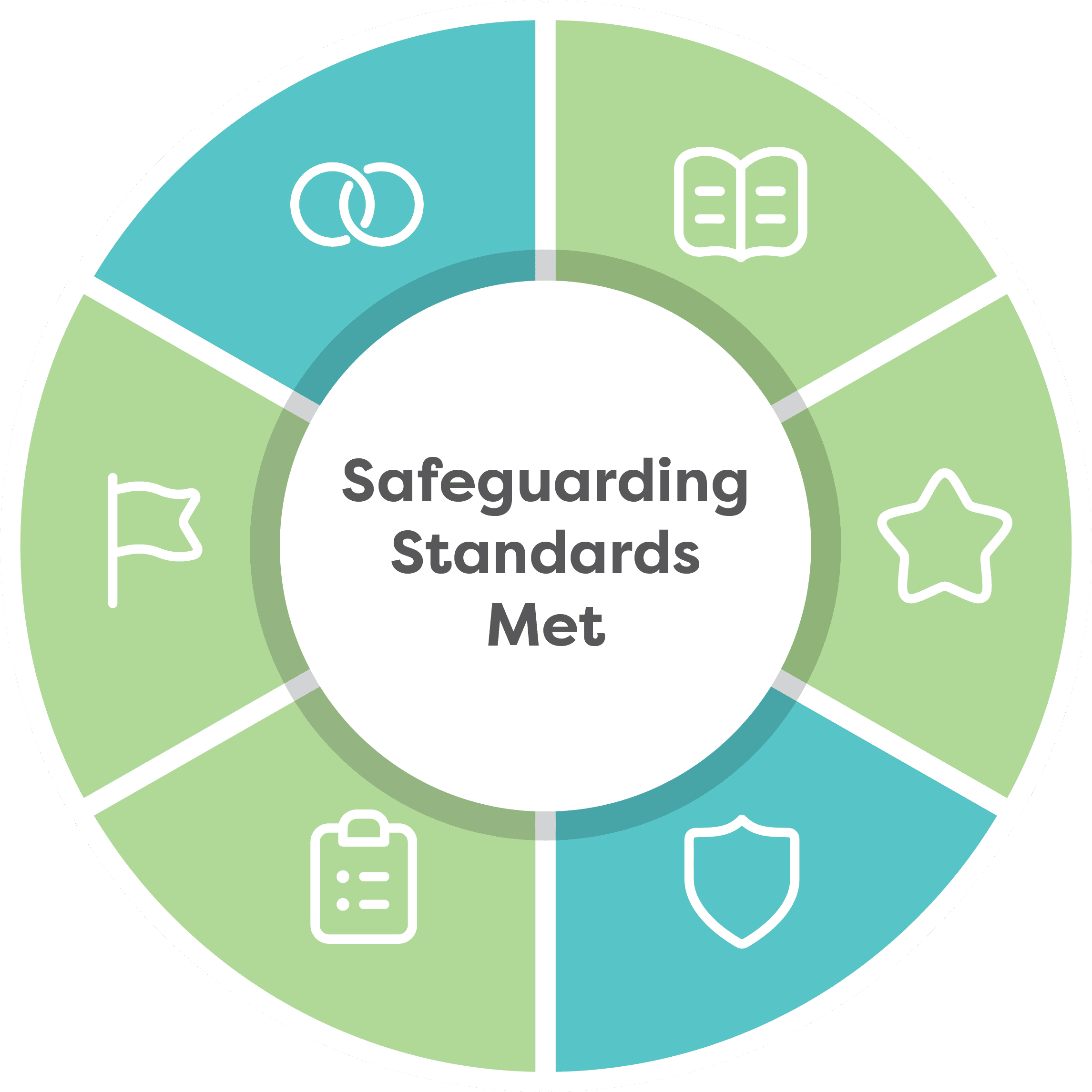
Monkey Puzzle Greenford’s most recent Ofsted report was published in March 2026, confirming that safeguarding standards were fully met and children’s safety and wellbeing remain a top priority. The nursery achieved Expected Standard across four key areas of inspection, alongside a Strong Standard in two areas, reflecting the high-quality care, learning and support provided by the team. Parents and carers can read the full Ofsted report here to learn more about the inspectors’ findings.
New Ofsted Report

What Ofsted Highlighted
Children’s Welfare and Wellbeing – Strong Standard
Inclusion – Strong Standard
Achievement – Expected Standard
Children make good progress from their starting points across all areas of learning. They quickly develop communication skills, including children learning English as an additional language, and grow in independence through everyday tasks such as pouring drinks, tidying up, and managing personal care. Children with special educational needs and/or disabilities receive effective support that helps them build confidence, develop social skills, and make meaningful progress. Children are engaged in their learning, develop good levels of concentration, and become confident, resilient learners who are well prepared for the next stage of learning, including school.
Behaviour, Attitudes and Establishing Routines – Expected Standard
Children develop positive behaviour and strong social skills in a calm and caring environment where staff model kindness, turn-taking, and polite language throughout daily routines. Warm and trusting relationships with staff help children feel secure, confident, and well supported when facing new experiences or transitions. Children learn to cooperate through group activities and structured play, with staff using visual cues and timers to reinforce positive behaviour and encourage focus. However, during some group sessions, expectations are not always communicated consistently, which occasionally affects children’s concentration and engagement. Leaders also place a strong focus on attendance and punctuality, helping children benefit fully from the learning experiences and social opportunities provided.
Curriculum and Teaching – Expected Standard
Children develop positive behaviour and strong social skills in a calm and caring environment where staff model kindness, turn-taking, and polite language throughout daily routines. Warm and trusting relationships with staff help children feel secure, confident, and well supported when facing new experiences or transitions. Children learn to cooperate through group activities and structured play, with staff using visual cues and timers to reinforce positive behaviour and encourage focus. However, during some group sessions, expectations are not always communicated consistently, which occasionally affects children’s concentration and engagement. Leaders also place a strong focus on attendance and punctuality, helping children benefit fully from the learning experiences and social opportunities provided.
Leadership and Governance – Expected Standard
Leaders are reflective and continuously review the setting to improve inclusion, engagement, and children’s experiences. Since the last inspection, they have strengthened the learning environment and improved staff practice, resulting in more consistent and responsive interactions. Staff benefit from regular supervision, mentoring, and targeted training, helping them grow in confidence and skill when supporting children’s diverse needs. Leaders also prioritise staff wellbeing through flexible support and protected reflection time, helping maintain high-quality care. Strong partnerships with parents ensure families feel listened to and well informed about their children’s progress, with staff providing practical guidance on how to support learning at home.
What it’s like to be a child at Monkey Puzzle Greenford
Children arrive happily and are warmly welcomed by staff who know them well, helping them feel safe, secure, and settled quickly. They enjoy a wide range of hands-on learning experiences, including sensory play, roleplay, outdoor activities, and physical challenges that build confidence, coordination, and independence. Staff support children’s communication and language development effectively, particularly for children new to English, through songs, stories, signs, and everyday conversations. Children learn to share, take turns, and manage their feelings with gentle support from staff, helping them develop positive relationships and self-regulation skills. The setting celebrates the diverse cultures of its families and ensures children feel included through the use of home languages, meaningful discussions, and cultural celebrations. Children with barriers to learning are well supported through adapted activities and strong partnerships with families and professionals, while parents are actively involved in supporting learning both in the setting and at home.